The brief, the bidder summary and the minutes are now in one app, not scattered across email and files
Case study · Pharma manufacturer
AI for a pharma maker's internal tenders
The procurement department at a pharma manufacturer ran tenders over email and in files: the brief was written from scratch every time, bidders' offers were pulled into a spreadsheet by hand, and the minutes were put together after the procedure and took days. We built an end-to-end app: it generates a brief by category, extracts data from bidders' offers, scores them with a fixed formula and prepares the committee's minutes with sign-off. For purchases involving a trade secret, the AI layer switches off with a single toggle.
- ClientPharma manufacturer
- Integrationfrom $2,000
- Supportfrom $150/mo
Implementation results
What changed after launch
Comparing bidders became reproducible: it's clear where every point came from
The committee's minutes come together inside the procedure, not days after it
For closed purchases the AI can be switched off with a single toggle
Solutions
What the system does
- Prepares the briefIt generates the brief by category and template and keeps versions you can compare.
- Pulls in the offersIt imports bidders' files and uses AI extraction to break them out into fields.
- Scores the biddersIt works out the adjusted price plus non-price points using a formula fixed in the contract.
- Assembles the committee's minutesIt builds the minutes with sign-off and export to a document.
- Has a trade-secret modeFor purchases involving a trade secret, the AI layer comes off with a single switch.
Features
What's included in the solution
Generation of a brief by category and template, with versions
Import of bidders' offers and AI extraction of data from files (xlsx, TSV, Word)
Scoring as the adjusted price together with non-price points, with the formulas fixed in the contract
Tender committee minutes with sign-off and export to a document
A trade-secret mode in which the AI layer comes off with a single switch
AI automation for internal tenders and procurement
Internal procurement often lives in email and spreadsheets: the brief is written from scratch each time, offers are pulled together by hand, and the committee's minutes are assembled after the procedure. For a pharma manufacturer we built an end-to-end app that runs a tender from brief generation to the committee's minutes, scores bidders with a fixed formula and lets you switch off the AI layer for purchases involving a trade secret.
Read more
The cycle starts with the brief: the system generates it by category and template and keeps versions, so it's clear what changed between edits. Bidders' offers don't need to be retyped into a spreadsheet — the app imports the files and uses AI extraction to break the data out into fields. Then the scoring model runs: the adjusted price plus non-price points, using a formula fixed in the contract, so the result can't be nudged by hand.
The procedure ends in the tender committee's minutes. They come together inside the app, with sign-off and export to a document, rather than days after the purchase. Scoring became reproducible: for every point you can see where it came from. For purchases that involve a trade secret there's a separate mode — the AI layer switches off with a single toggle, and sensitive data doesn't go to the model.
The solution suits procurement departments, manufacturing and pharma with regular internal tenders and strict demands on transparent scoring. We build it around your categories, brief templates and scoring rules. Describe how your procedure works and we'll show you, free of charge, how the app would run a tender from brief to minutes; a rough price is from $2,000 for the build and from $150/month for support.
Pricing
The same solution for your business
A project like this starts from that amount. The final price depends on the volume of data, the features and the integrations, so we begin with a free consultation, prepare a rough estimate and send you a commercial proposal.
Integrationfrom $2,000
Supportfrom $150/mo
Who it's for
Who it suits
Procurement departments
Regular internal tenders and procedures.
Manufacturing and pharma
Many bidders and strict demands on reproducible scoring.
Tender committees
The minutes come together inside the process, not days after it.
Finance and compliance
It's clear where every bidder's point came from.
How it works
How we'll launch it for you
- Step 01
We discuss the task
We analyse your needs and define the best solution.
- Step 02
We build the solution
We configure AI agents or adapt ready-made solutions.
- Step 03
We launch
We integrate, test, and train your team.
- Step 04
We deliver results
Measurable results and ongoing support.
Other case studies
Similar solutions already at work
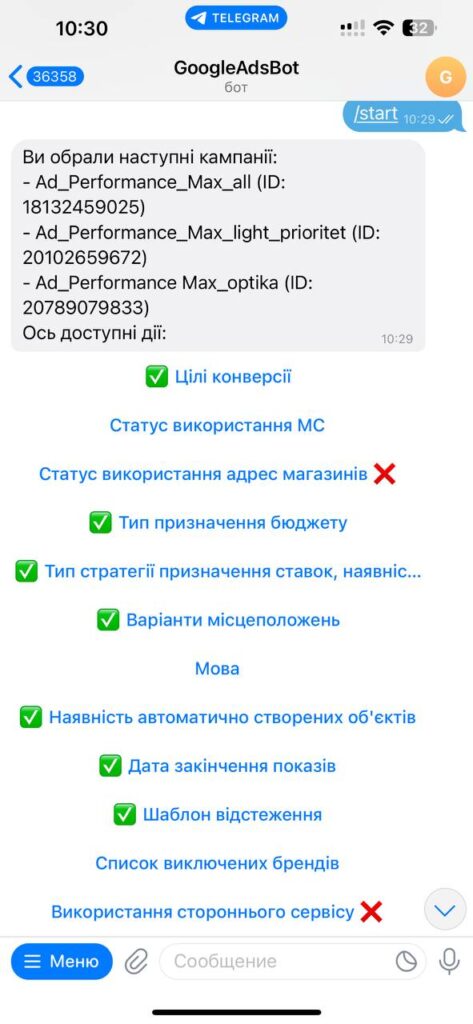
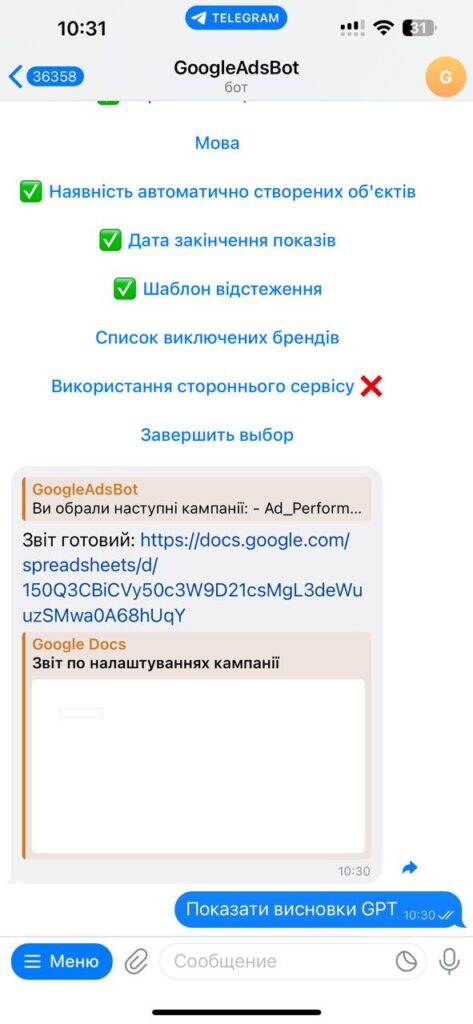
 ADINDEX
AI Google Ads audit and campaign optimisation
×2
Campaign audit twice as fast
85%Analysis accuracy up by 85%
30%Up to 30% saved on ad budget
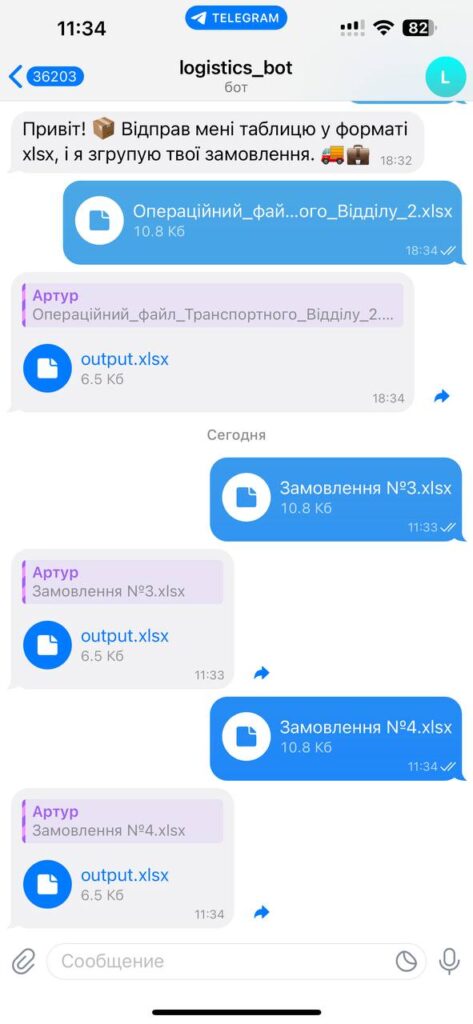
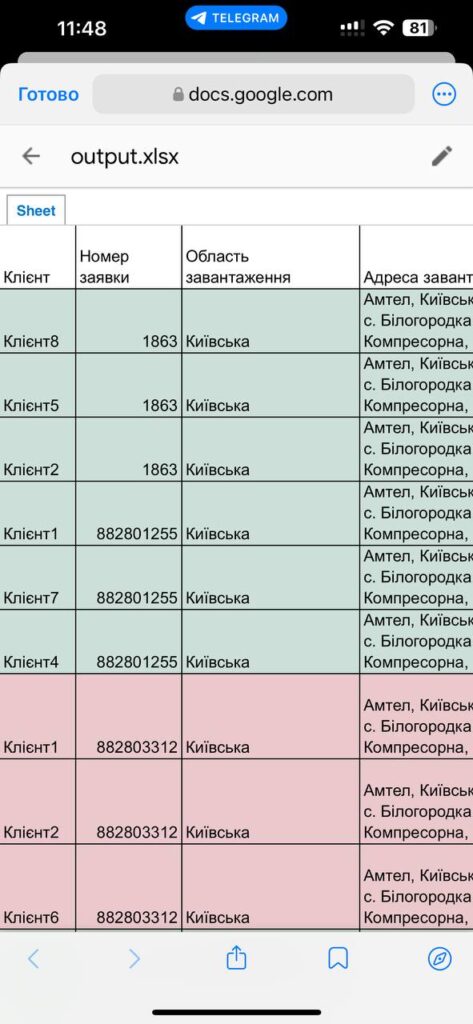
Logistics company (name withheld under NDA)
AI logistics automation for a transport company
30%
Logistics costs down by up to 30%
40%40% fewer shipping delays
 Neuroshop
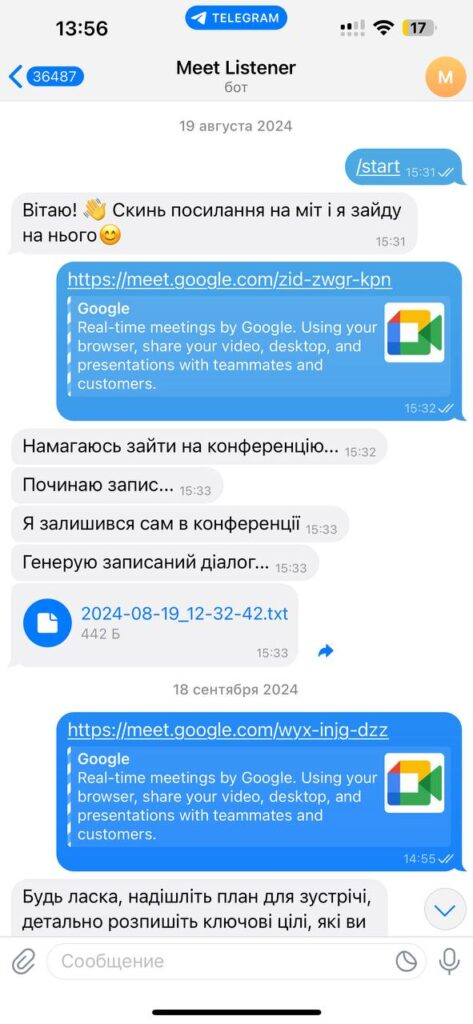
AI meeting automation: recording and summaries in Google Meet
×3
Meeting notes three times faster
View case study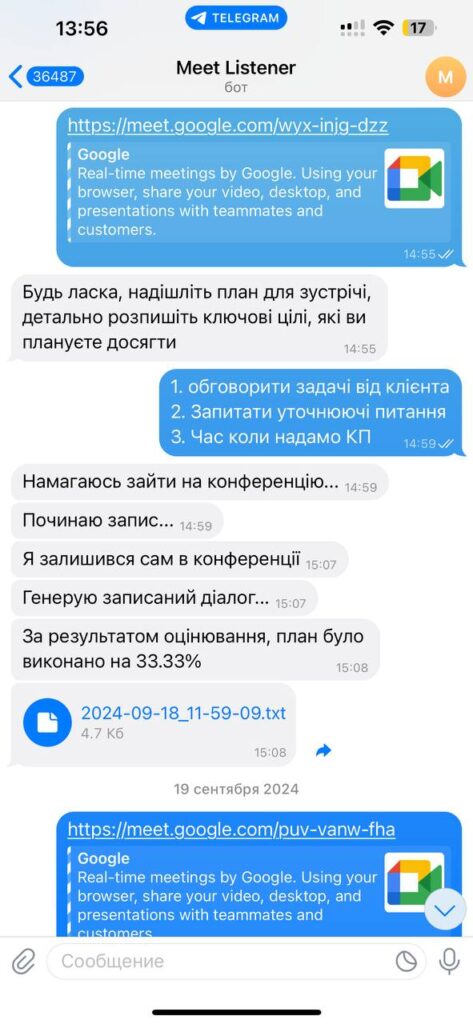
FAQ
Before you start
How does the system score tender bidders?
Scoring uses an 'adjusted price plus non-price points' model, and the formulas are fixed in the contract. Every point shows its source, so comparing bidders is reproducible and doesn't depend on who compiled it.
What about a trade secret in procurement?
There's a separate mode: the AI layer switches off with a single toggle. In it, sensitive data isn't sent to the model, and the procedure carries on in the app by hand under the same rules.
How much does automating tenders cost?
Roughly from $2,000 for the build and from $150/month for support. The final figure depends on the number of categories, templates and integrations; we make the preliminary estimate free of charge after reviewing your procedure.
Free consultation
Want the same result?
Tell us about your task — we'll show how this solution would work for you and give you a price. The first consultation is free.
What you'll get from the consultation
Analysis of your businessWe map out the processes where AI will have the greatest impact.
Expert recommendationsWhich type of solution fits: a product, a ready-made solution, or custom development.
A demo of what’s possibleWe show how it works, with examples.
A clear launch planStages, timelines, and the expected outcome.
Pharma manufacturer · integration from $2,000