×10+
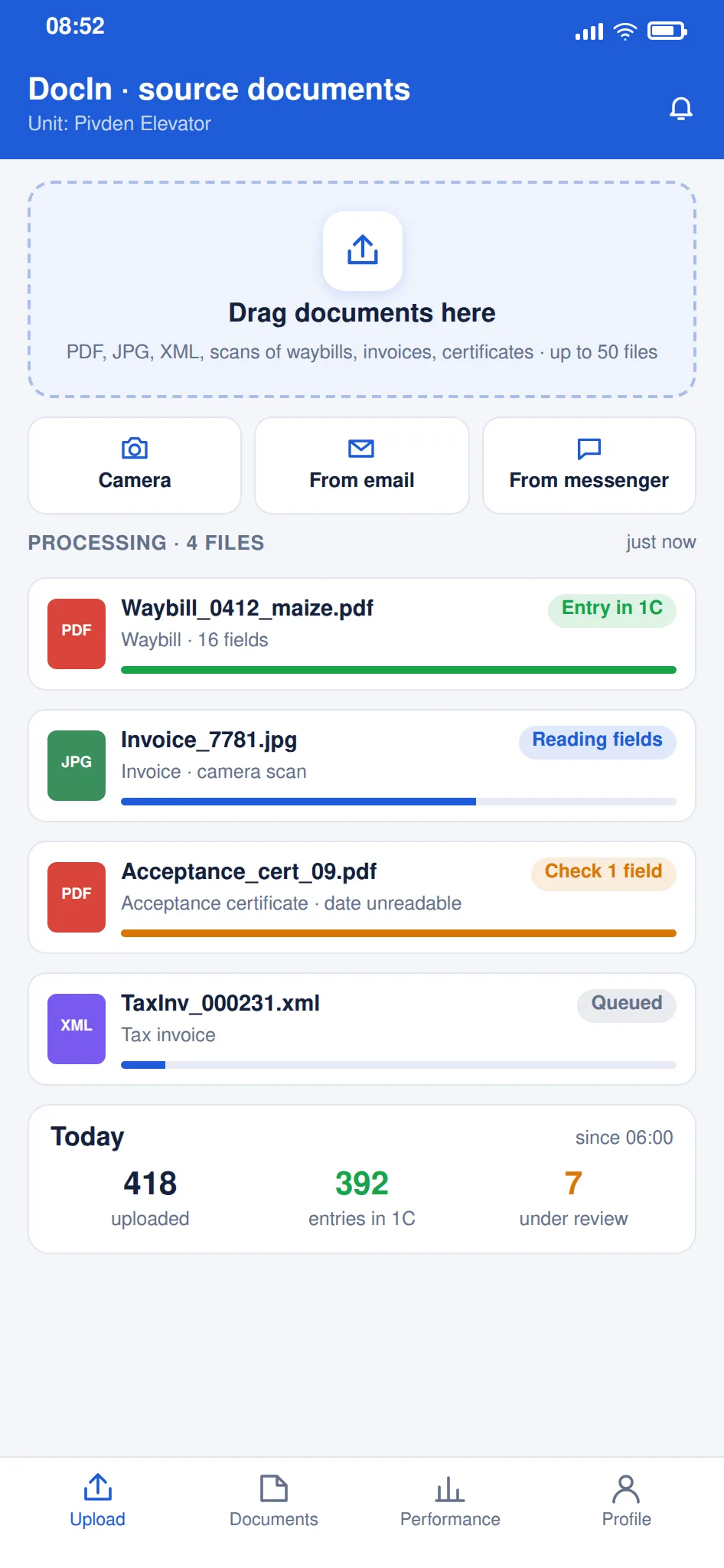
faster processing of source documents
Service · Process automation
AI takes over repetitive work: it moves data between systems, answers customers, and builds reports and documents. Your people stay where real judgement is needed.
faster processing of source documents
less time on routine reporting
processes run without a person
AI business process automation is when the repetitive steps in your processes are handled by software: it takes data from your systems, acts by set rules, and carries the task through to a result. Unlike a regular chatbot with canned answers, AI assesses the situation, reaches into several systems, and passes to a person only what needs their decision.
We do not sell a box: first we map your process, pick one task for a pilot, then connect the solution to your CRM, ERP, and messengers and scale it to other processes. Below are the areas we automate most often, with examples and ballpark prices.
Areas
Indicative areas and prices. Each one links to a dedicated page with details and case studies; we confirm the final figure after a free consultation.
| What we automate | Example | Price from |
|---|---|---|
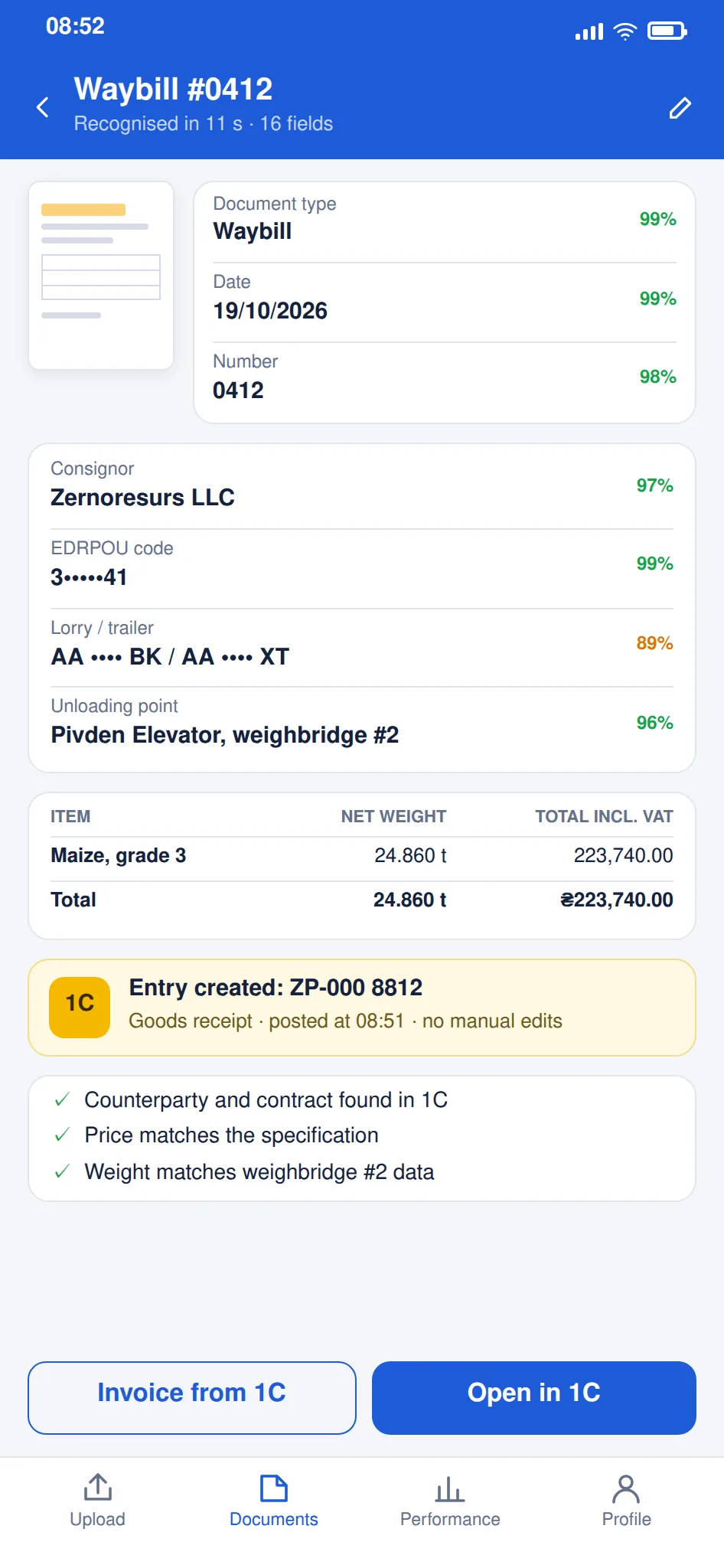
| Documents and source accountingCase studies: MHP, Thrash! | Invoices, bills, and acts from PDFs, scans, and photos — straight into your accounting system, with no manual entry. | from $2,000 |
| Sales and leadsCase studies: Silk-accessories brand, Dream Team Dance School | AI answers leads, qualifies them, and moves the customer to the next step, writing the data into your CRM. | from $2,000 |
| Customer supportCase studies: MTB Bank, Podorozhnik | Chat and telephony take the typical requests — status, balance, booking — and hand the complex ones to an operator. | from $2,000 |
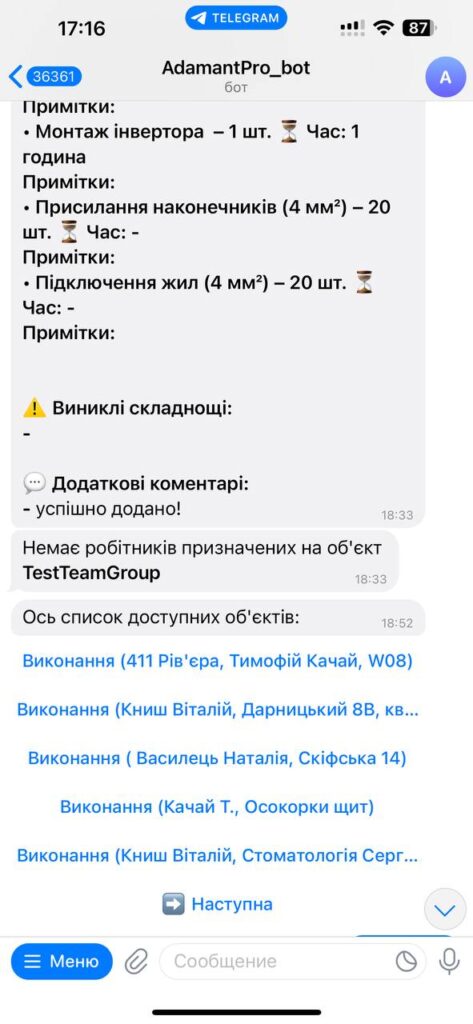
| Reporting and analyticsCase studies: AdamantPro, Globino | Consolidated reports from your data are built automatically and land on the manager’s desk. | from $2,000 |
| HR and onboardingCase studies: Neuroshop | Onboarding new hires, answering internal questions, and checking knowledge — around the clock. | from $2,000 |
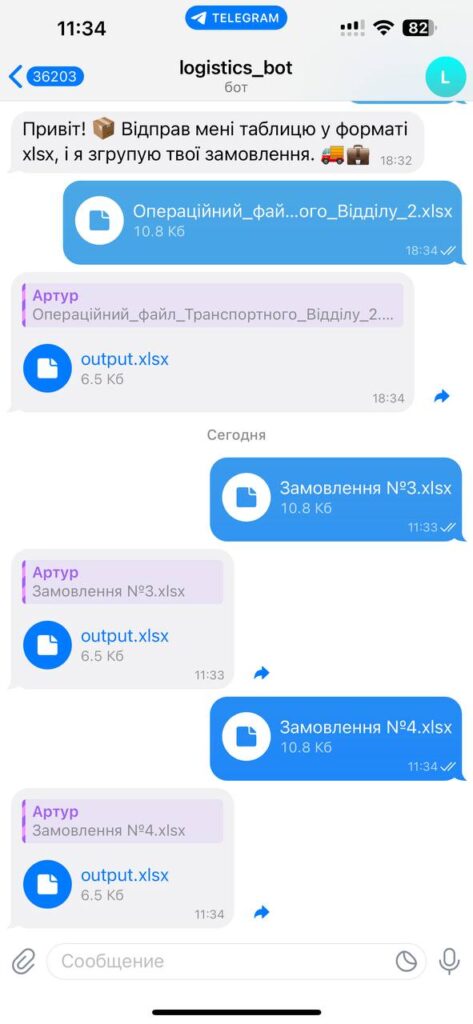
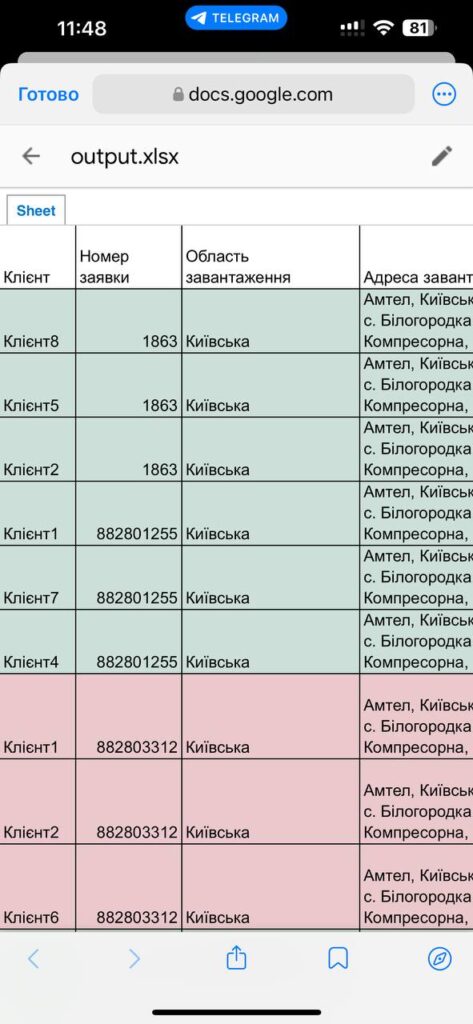
| LogisticsCase studies: Logistics company (name withheld under NDA) | AI tracks shipment statuses, consolidates the data, and warns about delays. | from $2,000 |
| Monitoring and parsingCase studies: Simeyna Pekarnya | Regular checks of prices, menus, or data on external sites, with alerts on any change. | from $2,000 |
| Meetings and callsCase studies: Neuroshop | Recording, transcription, and a short summary of the meeting with a task list — right after the call. | from $2,000 |
Prices from the Pricing page: an AI solution is from $2,000, $5,000, or from $7,500 depending on complexity; support is from $150/mo. We confirm the final figure and timeline in an estimate after a free consultation.
The problem
People move data between systems by hand, compile reports, and handle the same requests over and over.
Manual entry causes mistakes, and at peak times there are not enough people to keep up.
More orders and requests mean more people, not more output.
What you'll get
AI performs the repetitive steps itself — by rules we agree with you.
We connect it to CRM, ERP, accounting, telephony, email, and messengers directly.
AI passes complex cases to an employee together with the context.
Information is no longer lost between spreadsheets and systems; it updates automatically.
Every action is visible in the log, and access is limited to what is allowed.
We begin with a pilot on a single task, then scale to others.
Automation pays off most where there is repetition and rules. If a task is the same every day and the data is already recorded somewhere, it can almost always be automated.
the same action repeats every day; data is moved between systems by hand; at peak times there are not enough people for the routine; customer requests are typical.
the process changes every time and has no rules; the data is recorded nowhere; the task is one-off. Then we first put the process in order together, and automate afterwards.
How it works
We map how the tasks are done today and where AI pays off fastest. We pick a process for the pilot.
We launch automation on one process and validate it on your real data.
We put it into operation, connect it to your systems, and train the team.
We watch quality, update the rules, and scale to new processes.
Results
×10+ faster processing of source documents in the accounting system
Case study: MHPup to 60% less time on reporting
Case study: AdamantProup to 30% lower logistics costs
Case study: Logistics company (name withheld under NDA)Case studies
 MHP
Source documents processed tens of times faster: hours instead of days
View case studyLogistics costs down by up to 30%
 AdamantPro
Up to 60% less time on reporting
View case studyPricing
Final cost depends on scope and integrations. We'll give exact pricing and timelines after a free consultation.
FAQ
It is when the repetitive steps in your processes are handled by software: it takes data from your systems, acts by set rules, and carries the task through to a result, passing complex cases to a person. That frees the team from routine.
The ones that repeat every day and have clear rules: document processing, typical customer requests, report consolidation, moving data between systems. That is the kind of process we recommend starting the pilot with.
Development is from $2,000 per solution and support from $150/mo. More complex solutions are $5,000 or from $7,500 depending on scope. We confirm the final figure after a free consultation.
No. We connect AI to your existing systems directly — through an API or ready modules. There is no need to change the software you already use.
We start with a pilot on one process so you see a result on your data quickly. We give exact timelines once we have mapped the task and the systems.
Yes. The solution runs in your infrastructure, access is set by roles, and a log records every action. Each person sees only what they are allowed to.
A chatbot replies by a pre-written script. Here AI takes data from your systems and performs actions itself — creates a document, updates a deal, builds a report — rather than only replying with text.
With a free consultation: we review your processes and suggest which task to automate first, so the effect is fast and visible.
AI business automation is the gradual replacement of manual routine with processes AI runs itself: from processing documents and requests to reporting and moving data between systems. It is best to start not with everything at once, but with one process that repeats every day.
Neurotrack builds automation around a specific process and connects it to your CRM, ERP, accounting, and messengers. Critical decisions stay with a person, while AI takes on the repetitive work and hands complex cases to an employee.
Where to next:
Other services
Free consultation
In the consultation we'll walk through your process, show similar rollouts, and give you pricing and timelines. The first consultation is free.
What you'll get from the consultation
We use cookies for analytics and advertising to understand how the site is used. You can accept or reject them; see our privacy policy for details.