Data scattered across systems
To bring information together, it is exported and reconciled by hand every week.
Solutions · System integrations
The solution connects your systems so data moves between them automatically. CRM, ERP, telephony, messengers, and internal services work together — without manual export and reconciliation.
In most companies, data lives apart: customers in the CRM, inventory and finance in the ERP, inquiries in telephony and messengers. To get a full picture, information is exported and reconciled by hand, and the same data is entered into several systems separately. CRM and ERP integration closes this gap: we connect your systems so data moves between them automatically and in both directions. Instead of copies in every system, you have one current version of the data. Calls and messages land in the CRM, deals go into accounting, and inventory and finance see each other without manual transfer. We connect through an API or ready-made connectors to the systems your team already uses. The solution suits banks and financial companies, logistics, retail, security and service companies that need reliable data exchange between systems without manual work.
The problem
To bring information together, it is exported and reconciled by hand every week.
The same data is entered into several systems separately.
CRM, accounting, and inventory live apart, and processes stall.
What you'll get
We link your CRM, ERP, and internal services together.
Data moves between systems in both directions.
Connecting calls and chats to your CRM.
One current version of the data instead of copies in each system.
The weekly export and data transfer disappear.
What's included
We review which systems exist and what data moves between them.
We map where data moves from and to, and by what rules.
We set up links through an API or ready-made connectors.
Data syncs between systems in both directions.
We connect calls and chats to your CRM.
We check the exchange on real data and go live.
Industries
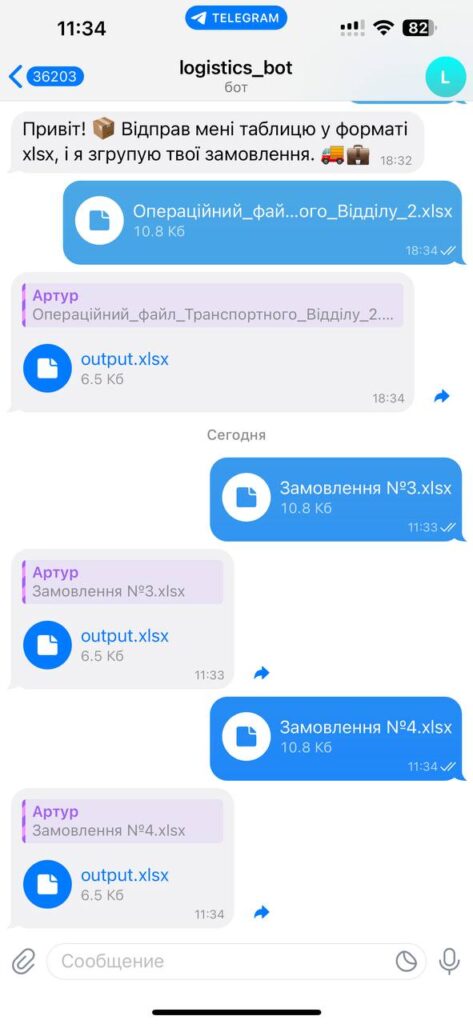
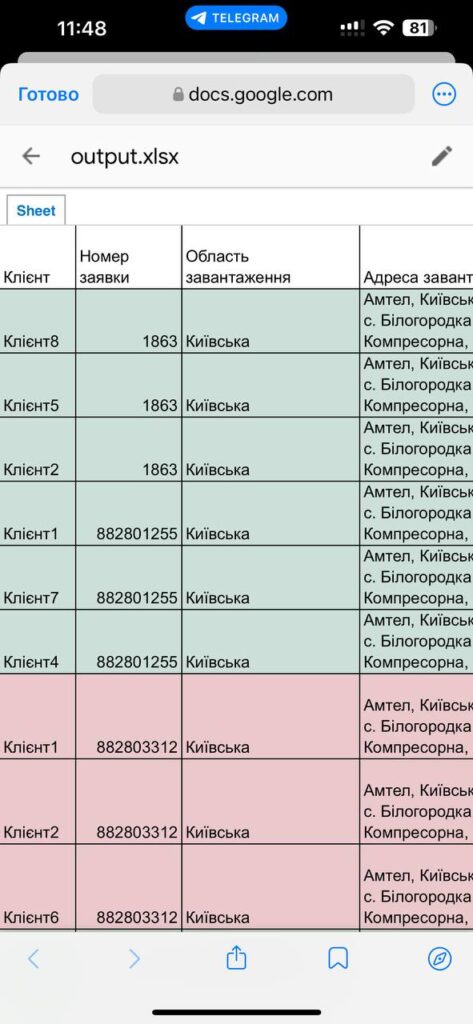
Integration with carrier databases and warehouses: trips are built from customer requests automatically.
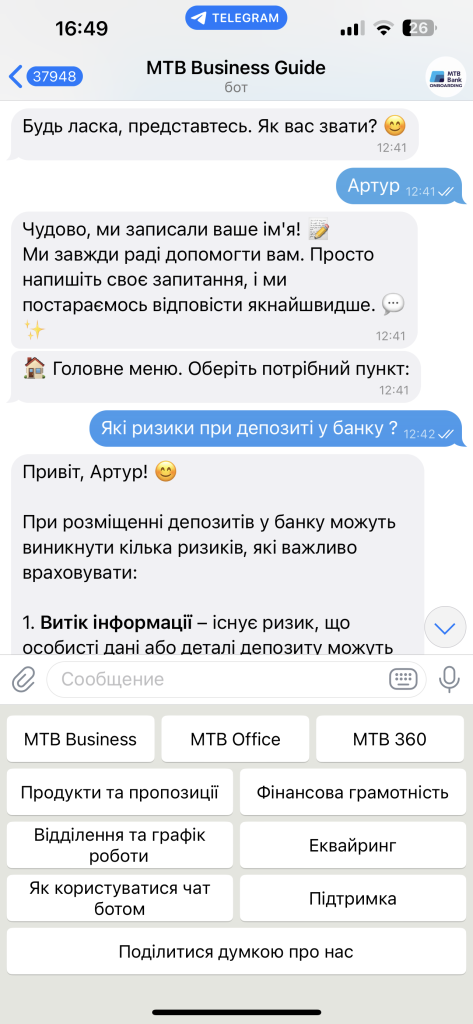
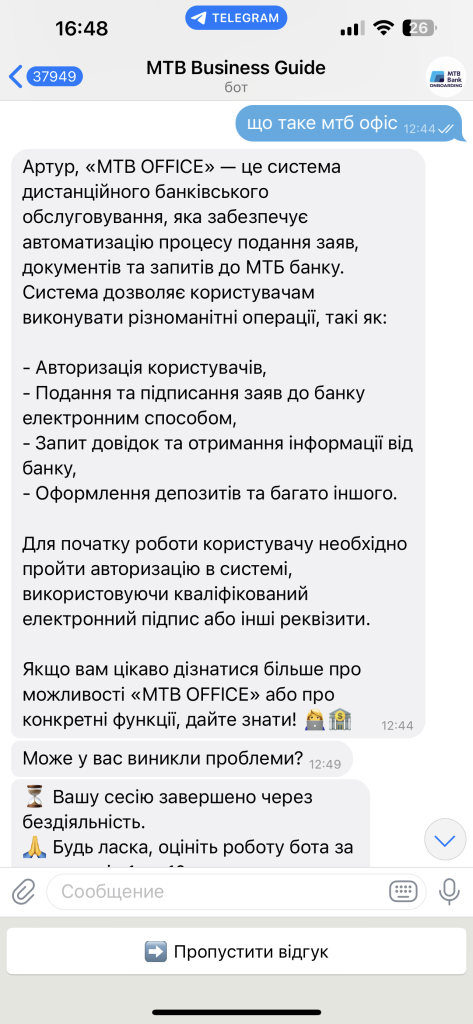
Connecting an AI consultant to a knowledge base and branch data for instant answers.
Integrating support with the CRM and the Pult and COC systems — inquiries go to the right department.
Linking orders with accounting and inventory so stock levels and statuses stay in sync.
Requests from telephony and messengers land in the CRM without manual entry.
How we implement it
We review which systems you have and what data moves between them.
We map where data moves from and to, and by what rules.
We set up links through an API or ready-made connectors.
We check the exchange on real data and go live.
Results
up to 30% — lower logistics costs (integration with carriers and warehouses)
Logistics company (NDA) case study−40% — fewer delivery delays
Logistics company (NDA) case studyCase studies
Logistics costs reduced by up to 30%.
 MTB Bank
Operator workload reduced by up to 65%
Pricing
Final cost depends on scope and integrations. We'll give exact pricing and timelines after a free consultation.
Why us
We have connected CRM, telephony, and internal systems in projects for Sheriff, MTB Bank, and logistics.
No copies in each system and no manual reconciliation.
We connect what you already use through an API or connectors.
We watch over the data exchange and keep developing the integration.
FAQ
With CRM, ERP, telephony, messengers, and internal services — through an API or ready-made connectors.
For the security company Sheriff, we integrated AI support with the CRM and internal systems (Pult and COC) so inquiries went straight to the right department.
In a project for a logistics company, the system integrated with carrier databases and warehouses and automatically built trips from customer requests.
Yes. Systems exchange data automatically, so one current version is available everywhere, without manual transfer.
The solution starts from $2,000, and support from $150/mo. The cost depends on the number of systems, the volume of data, and available connectors — send a request for a quote.
It depends on complexity: the number of systems and the exchange rules. We give timelines after we review your set of systems and the data that should move between them.
No. We connect what you already use — CRM, ERP, telephony, and internal services — through an API or ready-made connectors.
Yes. We set up the exchange with access control, and Neurotrack protects information in line with international standards.
CRM and ERP integration is a configured data exchange between the systems a business runs on: a CRM for customers and deals, an ERP for inventory and finance, telephony and messengers for inquiries. Without integration, these systems do not see each other, so data has to be exported, reconciled, and re-entered by hand. Integration closes this gap: systems exchange data automatically and in both directions, so the company gets one current version of the data instead of copies in every tool. A customer call or message lands in the CRM, a deal goes into accounting, and changes in inventory are immediately visible in finance. Technically, the connection is made through an API or ready-made connectors to existing systems. In Neurotrack projects, this is how we integrated, for example, AI support for the security company Sheriff with its CRM and internal systems, and a logistics solution with carrier databases and warehouses. The main benefit is less manual work and fewer errors when transferring data.
Other solutions
Free consultation
In the consultation we'll walk through your process, show similar rollouts, and give you pricing and timelines. The first consultation is free.
What you'll get from the consultation
We use cookies for analytics and advertising to understand how the site is used. You can accept or reject them; see our privacy policy for details.